

 Book a consultation
 Secure client portal ↗
 6 min read
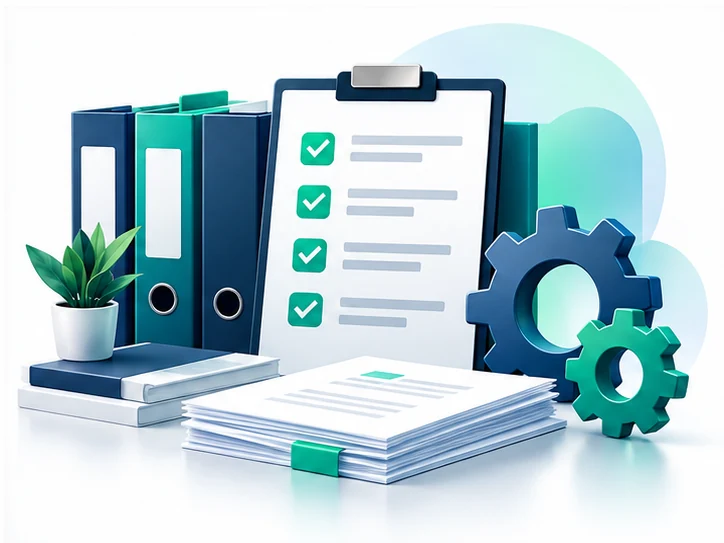
A reliable recordkeeping system should show business income, expenses, and supporting documents. Good records can make tax preparation easier and support items reported on your return.
Track the money coming in
Small businesses should maintain sales and revenue records that reconcile to deposits, merchant processors, invoices, and bookkeeping reports.
Gross receipts, refunds, loan proceeds, and owner contributions can have different treatments. Keep enough detail to explain each type of transaction.
- Sales and invoices, payment processor reports, and business bank statements.
- Records of refunds, customer credits, and any non-revenue deposits.
Organize deductible expenses by category
The IRS generally requires business expenses to be both ordinary and necessary to be currently deductible. Some costs must be capitalized or treated differently, and mixed business/personal costs need allocation.
Use meaningful categories such as supplies, software, insurance, contract labor, and professional fees, but only claim amounts that meet the applicable rules.
- Receipts and invoices that identify the purchase and business purpose.
- Asset purchases and financing paperwork, separate from ordinary operating expenses.
- Mileage, travel, and home-office records if relevant and supported.
Keep payroll and contractor records
If you have employees or hire independent contractors, reporting and retention requirements may apply. Worker classification should be based on the underlying facts—not simply what a contract calls someone.
The IRS generally says to keep employment tax records for at least four years. Other records can require longer retention depending on the situation.
- Payroll tax filings, wages and withholding details, and year-end statements.
- Contractor payment records and applicable W-9 information.
Use a repeatable monthly process
A monthly bookkeeping review is easier than reconstructing the year at the filing deadline. Reconcile accounts, back up files, and document large or unusual entries as they occur.
Your CPA or tax professional can help determine which records your specific business and entity type should keep.
- Review profit-and-loss and balance sheet reports for obvious gaps.
- Store sensitive records securely with appropriate access controls.
Official IRS resources
For current forms, rules, and eligibility details, review the original IRS guidance:

This article is general educational information, not personalized tax or legal advice. Federal and state requirements vary and may change. Consult a qualified professional for decisions about your return. Never send Social Security numbers or tax documents by ordinary email.